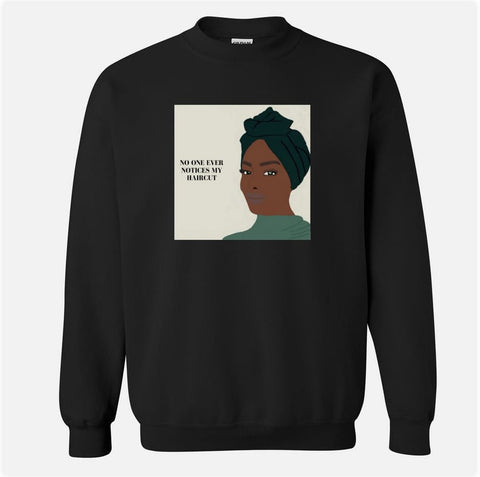
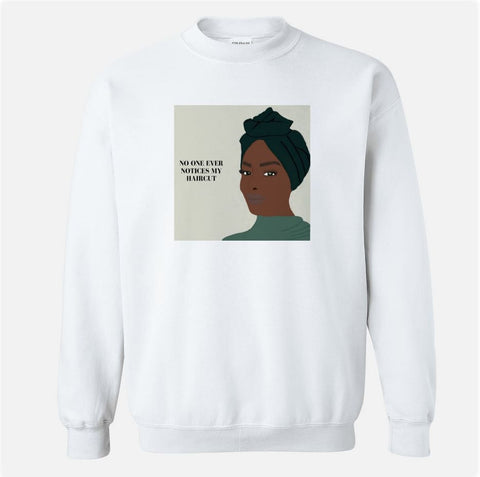
Amie Filice Darby-Black Hoodie
Out of stock
Clothing
Our next piece is named after Amie Darby. In 2017, Amie was oblivious to the fact that she had an ovarian cyst growing inside of her until one day, it burst. While she was waiting for surgery a doctor told her that she might not be able to have kids. Once he left the room, she held her then fiancé’s hand and told him that it was okay if he didn’t want to marry her anymore. Being the man that he was, he told her there was no changing his mind. They got married in 2018 and hoped for the best until they sought out professional help in 2021. Currently Amie has a son who was born in 2022 and is now expecting another child in April of 2026. Both are products of frozen embryo transfers. When asked Amie how infertility has impacted her mental or emotional well being she explained that it affected her mental and emotional well-being in ways she didn’t expect. It brought ongoing grief, anxiety, and a sense of loss tied to timelines and expectations that she once took for granted. She struggled with guilt and self-blame even when she knew infertility isn’t a personal failure. It felt all consuming which made feeling present really difficult. When asked what has been the hardest part of infertility that people don’t talk about she explained that many people think the cost and intensity of IVF almost guarantees success. Unfortunately, the time, effort, and money do not equate to increased odds. It is by no means a sure thing. Your partner and loved ones will feel helpless in trying to offer you love and support and you just might not be able to receive it. When asked what emotions do people often not see when dealing with infertility, Amie explained that she felt an immense sense of embarrassment that is difficult to explain. The thought of people discussing why she wasn’t at work and word spreading that she was doing iVF procedures felt strangely humiliating to her. A therapist she spoke to at the time told her that embarrassment is not actually an emotion, but rather a by-product of what you are really feeling. What she was actually feeling was anger that she had to deal with something so crushing. She didn’t feel as though she “deserved” to suffer like this, and any attention people gave to it only made it more real to her. When asked Amie what helped you get through moments of grief and uncertainty she explained that she had a therapist once tell her to try to create a comforting image of when she feels the most safe around her while dealing these intense situations that made her cry. Almost always, the image was her calm and collected husband sitting with her, holding her hand. This is what she would picture while she came to terms with the idea that her future could be childless. No matter how the IVF journey would work out, there was still life on the other side of it. A child-free life is still life. An only child’s life is still life. She had to decide whether she was willing or not to participate happily and willingly in the unknown. Comments people have said about infertility even if they mean well sound like “it will happen for you once you stop worrying about it,” or “I know someone who struggled for years and then got pregnant in their forties!” People want to offer you hope and she said she cannot fault them for that, but she does think it is more productive to acknowledge pain without trying to fix it. We asked Amie how does compassionate support actually look like to her and she said some women want to talk about it openly, and some do not. Some want space, and some want to be asked how they are really doing. What feels comforting to one person can feel intrusive or exhausting to another, so let the person experiencing it lead. For her, that was offering presence and empathy instead of reassurance, and trusting that someone can sit with uncertainty without needing it wrapped in a hopeful ending. Phrases like “Im really sorry. That’s unfair and exhausting,” and then stopping there. Checking in without expecting updates. Compassion support would also mean allowing anger, bitterness, or numbness to show up without correcting it. When asked what would you say to another woman walking this path she said it is completely ok to learn about fertility treatments and decide that they are not for you. Having children is one way a life can unfold, not the only way a life can matter. Parenthood is not the measure of whether a life is complete.
Product Detail
We’ve refreshed the look of our popular hoodies with an updated, slightly shorter length designed to flatter both our shorter and taller customers. The new silhouette offers a more balanced fit while maintaining the comfort you know and love.
This lightweight yet ultra-cozy cinched sweater creates a chic, modest look that’s effortlessly stylish. Perfect for layering or wearing on its own, it’s the ideal piece for those breezy spring days and crisp fall evenings.
Size Guide:
Small- Bust: 44"
Medium- Bust: 48"
Large- Bust: 52"
Extra Large- 56"